A stable system forms the backbone of any engaging experience, providing users with a sense of predictability and reliability that naturally encourages satisfaction. When a system operates without unexpected interruptions, glitches, or erratic behavior, it fosters trust and reduces cognitive load, allowing individuals to focus on the intended activity rather than worrying about potential failures. Users can engage deeply when they are confident that the system will respond consistently, creating a seamless flow where actions lead to expected outcomes. This consistency not only enhances immediate satisfaction but also strengthens long-term loyalty, as users develop an intuitive understanding of the system’s patterns and responses.
Stability is not merely a technical attribute; it profoundly influences emotional responses. Systems that are prone to crashes, delayed responses, or erratic behavior introduce frustration and uncertainty. Every unanticipated failure triggers a momentary lapse in confidence, creating stress that diminishes the overall experience. In contrast, a stable environment allows users to anticipate results accurately, making decisions with clarity and reducing the mental strain associated with unpredictability. The absence of surprises, especially negative ones, cultivates a calm and satisfying experience that feels safe and controlled, reinforcing positive associations with the platform.
Moreover, stable systems provide the foundation for efficient learning and mastery. When users can rely on consistent responses, they are better able to understand patterns, develop strategies, and improve performance. In contexts like gaming, financial platforms, or professional tools, this predictability allows users to refine their skills without the interference of random failures. Repeated interactions in a stable environment build confidence and competence, which in turn increases satisfaction. Users feel accomplished because their progress results from their effort and decision-making rather than chance or system errors, creating a sense of fairness and agency.
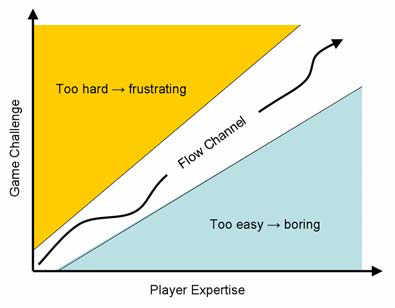
A stable system also impacts engagement by reducing the cognitive friction associated with uncertainty. When users encounter frequent disruptions, they must constantly adjust their expectations and strategies, consuming mental resources that could otherwise be directed toward productive or enjoyable tasks. A reliable system minimizes these adjustments, allowing the mind to remain focused and immersive. This streamlined experience enhances enjoyment and reduces stress, leading to a more satisfying overall interaction. Users appreciate the predictability because it aligns with natural human tendencies to seek control and minimize unnecessary anxiety.
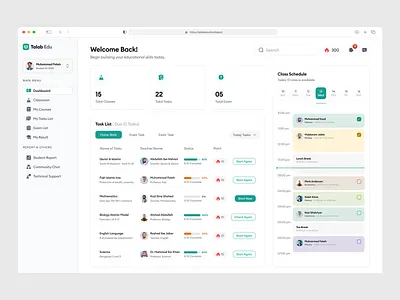
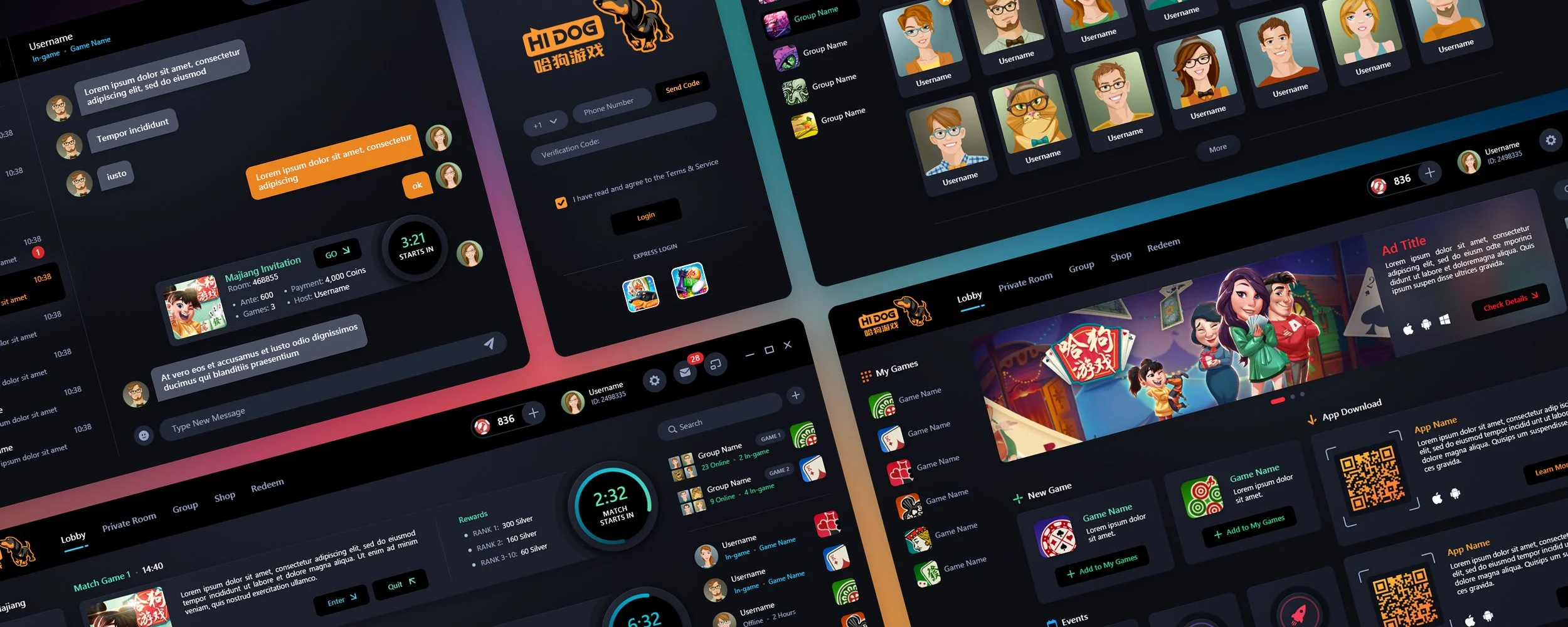
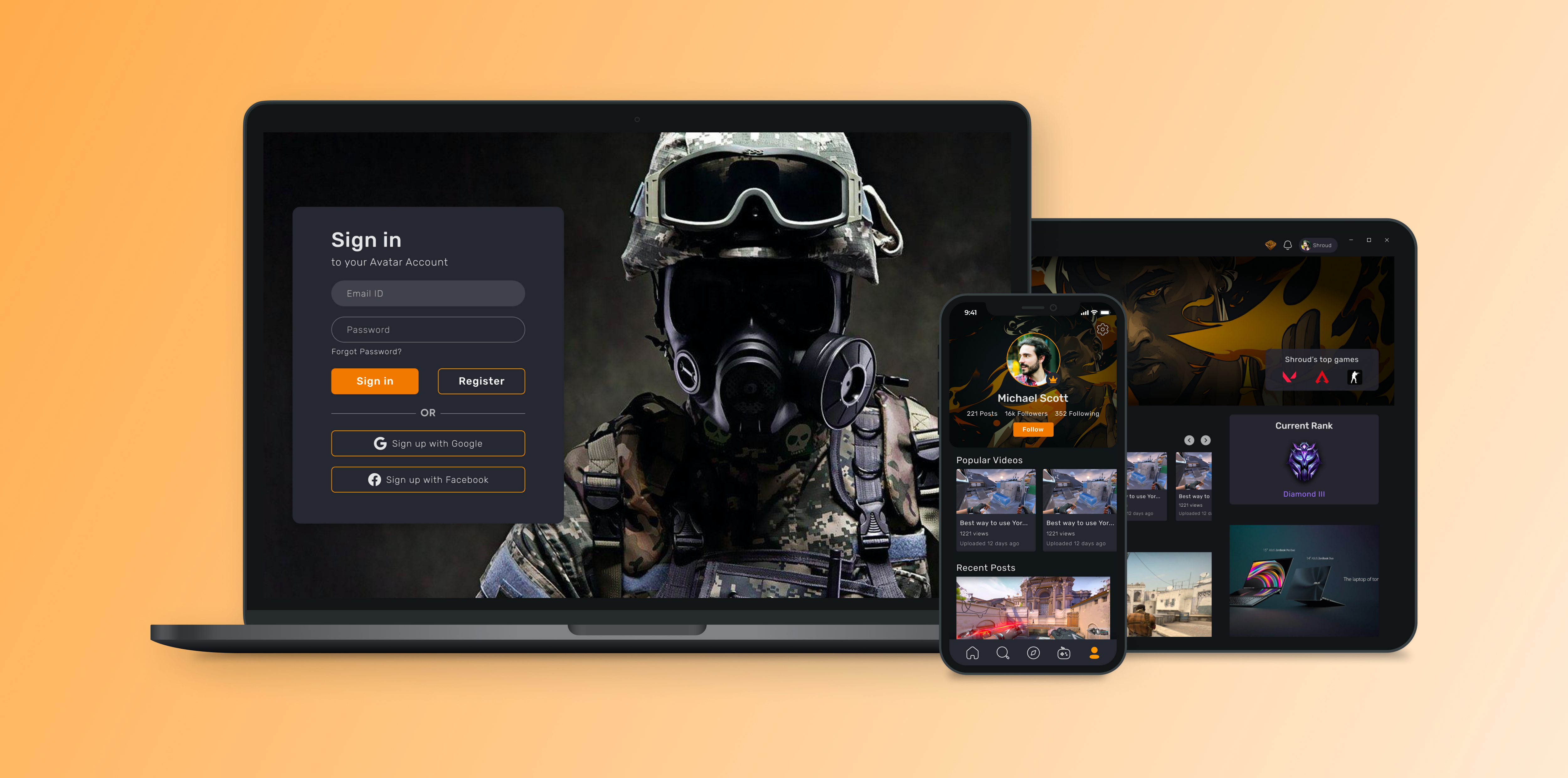
From a design perspective, stability encompasses both visible and invisible elements. Visible stability includes features such as consistent interface layouts, predictable navigation, and reliable feedback mechanisms. Invisible stability involves backend reliability, fast response times, and the prevention of errors or data loss. Both aspects are crucial because users experience stability holistically; a system may appear well-designed on the surface, but frequent crashes or delays in functionality undermine trust and satisfaction. Thoughtful attention to both the front-end and back-end stability signals competence and reliability, which users naturally interpret as a sign of care and quality.
Communication within the system also benefits from stability. Clear, consistent, and timely feedback reassures users that their actions have been registered correctly, reducing uncertainty and confirming that the system operates as expected. This creates a rhythm where users can plan and execute actions confidently, knowing the system will support them. Conversely, ambiguous responses, delayed acknowledgments, or inconsistent results disrupt flow and introduce doubt. When feedback mechanisms function reliably, satisfaction increases because users feel informed, capable, and in control.
In addition, stable systems facilitate smoother social interactions when multiple users are involved. Whether in collaborative software, multiplayer environments, or social platforms, reliability ensures that actions are synchronized and outcomes are predictable. This prevents misunderstandings, frustration, and conflicts that arise from inconsistent system behavior. Participants can coordinate more effectively, communicate more efficiently, and enjoy interactions without being distracted by technical anomalies. The trust fostered by stability enhances both individual satisfaction and the overall quality of collective experiences.
Long-term satisfaction is further amplified by the perception of fairness that a stable system conveys. Users interpret consistency as impartiality; when outcomes are reliably predictable, they feel that their efforts and decisions directly influence results. This perception is particularly important in competitive or goal-oriented contexts, where fairness significantly impacts engagement and enjoyment. A stable system signals respect for the user’s time and skill, reinforcing a positive cycle where trust encourages deeper interaction, which in turn reinforces satisfaction.
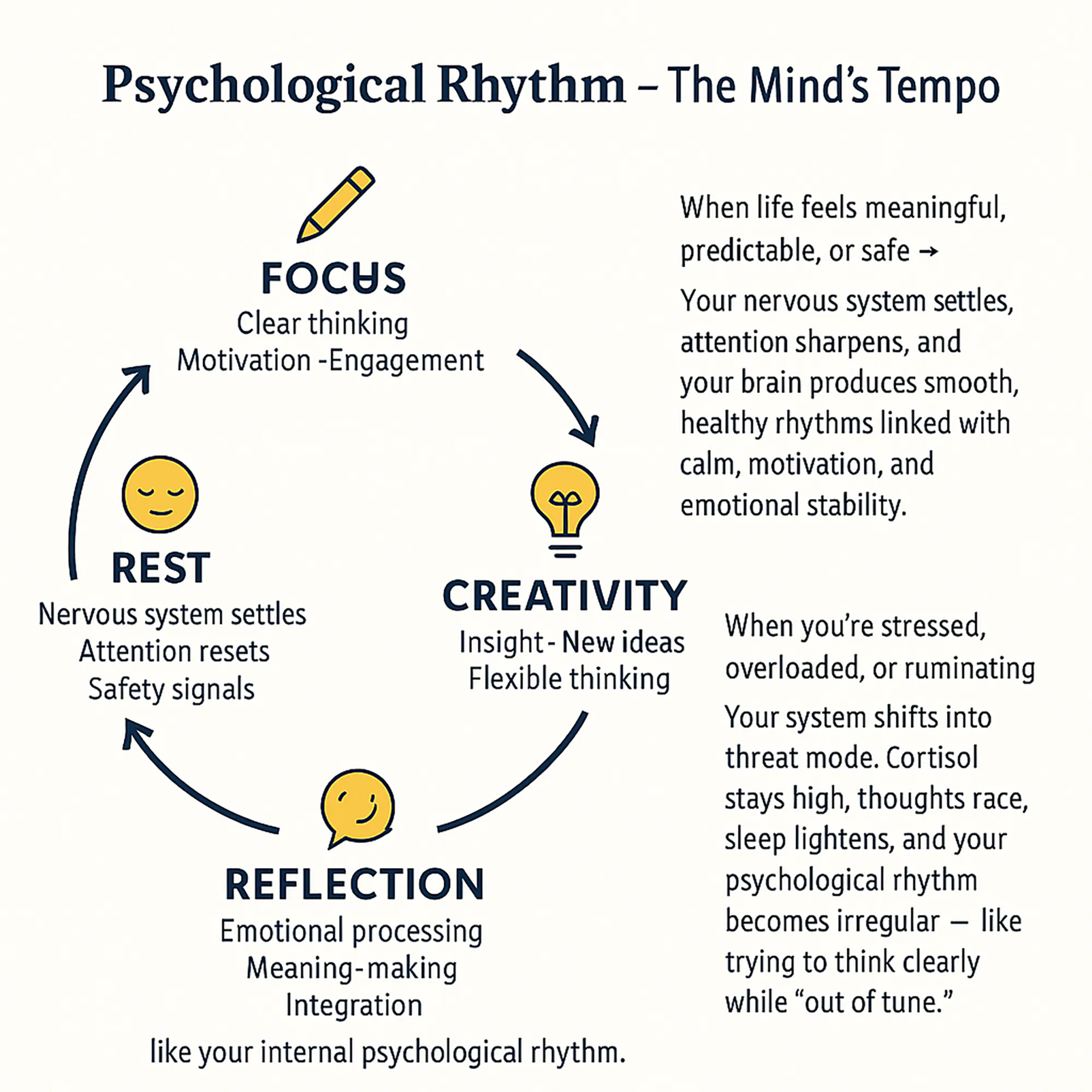
Furthermore, stability supports emotional resilience. In dynamic or high-stakes environments, users may encounter moments of tension or stress. A predictable and reliable system mitigates the intensity of these emotions, providing a stable foundation against which users can respond thoughtfully rather than react impulsively. This emotional buffer enhances satisfaction because the system feels like a trustworthy partner rather than an unpredictable obstacle. Users develop a comfort with the environment that encourages exploration, experimentation, and sustained engagement without fear of sudden setbacks.
The benefits of a stable system extend to perceived efficiency and productivity. When users can rely on the system to function without interruption, they accomplish tasks more effectively and with fewer mistakes. Time is not wasted on troubleshooting or adapting to inconsistencies, which reinforces a sense of competence and satisfaction. Users associate smooth performance with professionalism and quality, enhancing their overall evaluation of the experience. Over time, this reliability establishes the platform as a dependable tool, fostering both habitual use and positive emotional attachment.
Finally, a stable system encourages deeper emotional engagement. When users do not have to expend energy managing errors or compensating for unpredictable behavior, they can devote attention to creative, strategic, or enjoyable aspects of the activity. This frees cognitive and emotional resources, enabling immersion and flow, which are key drivers of satisfaction. Users experience a sense of ease and control, which enhances enjoyment and fosters loyalty. The predictability and reliability of the system form a subtle but powerful framework that transforms functional use into an emotionally satisfying experience.
In conclusion, stability in a system is far more than technical robustness; it is a core driver of satisfaction that influences emotional comfort, cognitive clarity, fairness perception, social interaction, productivity, and engagement. By providing consistent, reliable, and predictable experiences, systems empower users to act confidently, learn effectively, and enjoy interactions without distraction or frustration. The quiet assurance of stability cultivates trust and loyalty, creating an environment where satisfaction is not fleeting but sustained, forming a lasting bond between the user and the platform. Stable systems are the unsung heroes of positive user experience, turning functional interactions into meaningful and rewarding experiences.