A steady system creates a foundation that allows people to navigate life with greater emotional stability. When routines and structures are consistent, the mind finds a rhythm that reduces uncertainty, tension, and stress. The presence of predictable patterns helps individuals anticipate outcomes, allowing for a sense of security that supports emotional regulation. This stability does not imply rigidity but rather a reliable framework that guides behavior, thought processes, and emotional responses. By embedding steadiness into daily practices, people can cultivate resilience, reducing the impact of unexpected challenges on their mental state.
One of the primary benefits of a steady system is its capacity to reduce decision fatigue. When choices are limited to structured options or habitual paths, individuals expend less mental energy on trivial decisions. This conservation of cognitive resources frees attention for meaningful deliberations, fostering a calm and focused mindset. Over time, the brain becomes accustomed to the predictability, developing stronger coping mechanisms that manage stress responses. Emotional responses become more measured because the system has created an environment where reactions are informed rather than impulsive.
Steady systems also enhance self-efficacy, the belief in one’s ability to influence outcomes. When an individual experiences repeated success within a consistent framework, confidence grows. This confidence reinforces emotional stability by reducing the anxiety associated with unpredictability. Knowing that actions lead to consistent consequences allows for better planning and the anticipation of emotional responses. The system acts as both a scaffold and a mirror, reflecting the individual’s competence back to them, which further supports emotional equilibrium.
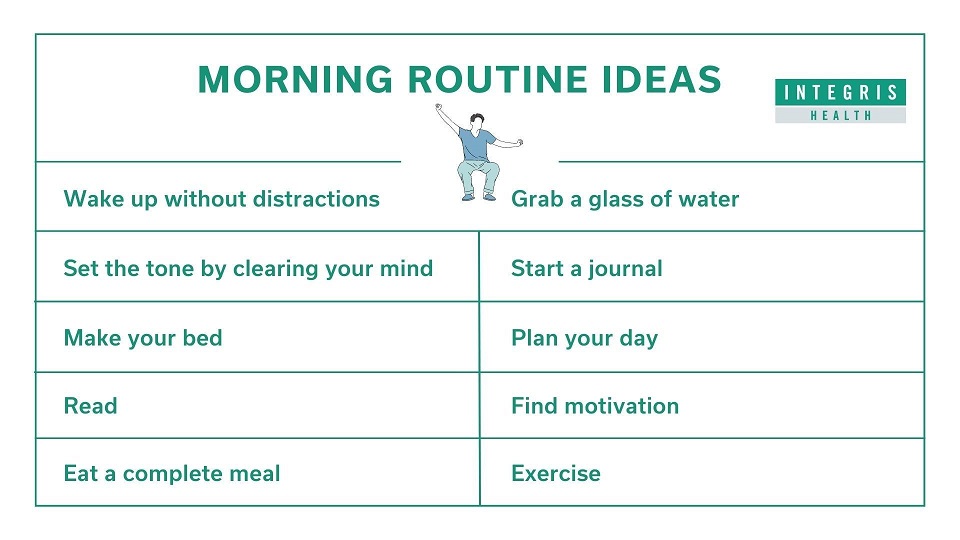
Furthermore, the rhythm of a steady system can act as a grounding mechanism in times of emotional turbulence. Rituals, routines, and consistent procedures provide reference points that anchor emotional experience. For example, maintaining regular sleep patterns, balanced meals, or scheduled work intervals can prevent mood swings that arise from neglecting basic needs. By attending to these fundamentals systematically, the body and mind operate in synchrony, reducing the likelihood of stress-related reactions. Emotional stability is strengthened because the system proactively addresses physiological contributors to mood variation.
Steady systems promote predictability in social interactions as well. In group settings, clear expectations and reliable procedures reduce conflict and misunderstandings. Participants understand their roles and responsibilities, which diminishes anxiety and fosters collaboration. This predictability extends beyond immediate tasks, creating trust and psychological safety. When people feel secure in their environment, they are less prone to reactive or defensive behaviors, which enhances interpersonal emotional stability. The system’s steadiness allows for thoughtful engagement rather than impulsive responses driven by uncertainty.
In addition, steady systems support goal achievement by breaking complex tasks into manageable segments. Consistent processes provide a framework for incremental progress, preventing frustration that often arises from feeling overwhelmed. The predictability of effort leading to results reinforces a sense of control, which is vital for maintaining emotional balance. People become more resilient in the face of setbacks because they can rely on the system to guide them toward eventual success. Emotional stability is cultivated through repeated exposure to a structure that aligns effort with outcome, reducing volatility in feelings of disappointment or discouragement.
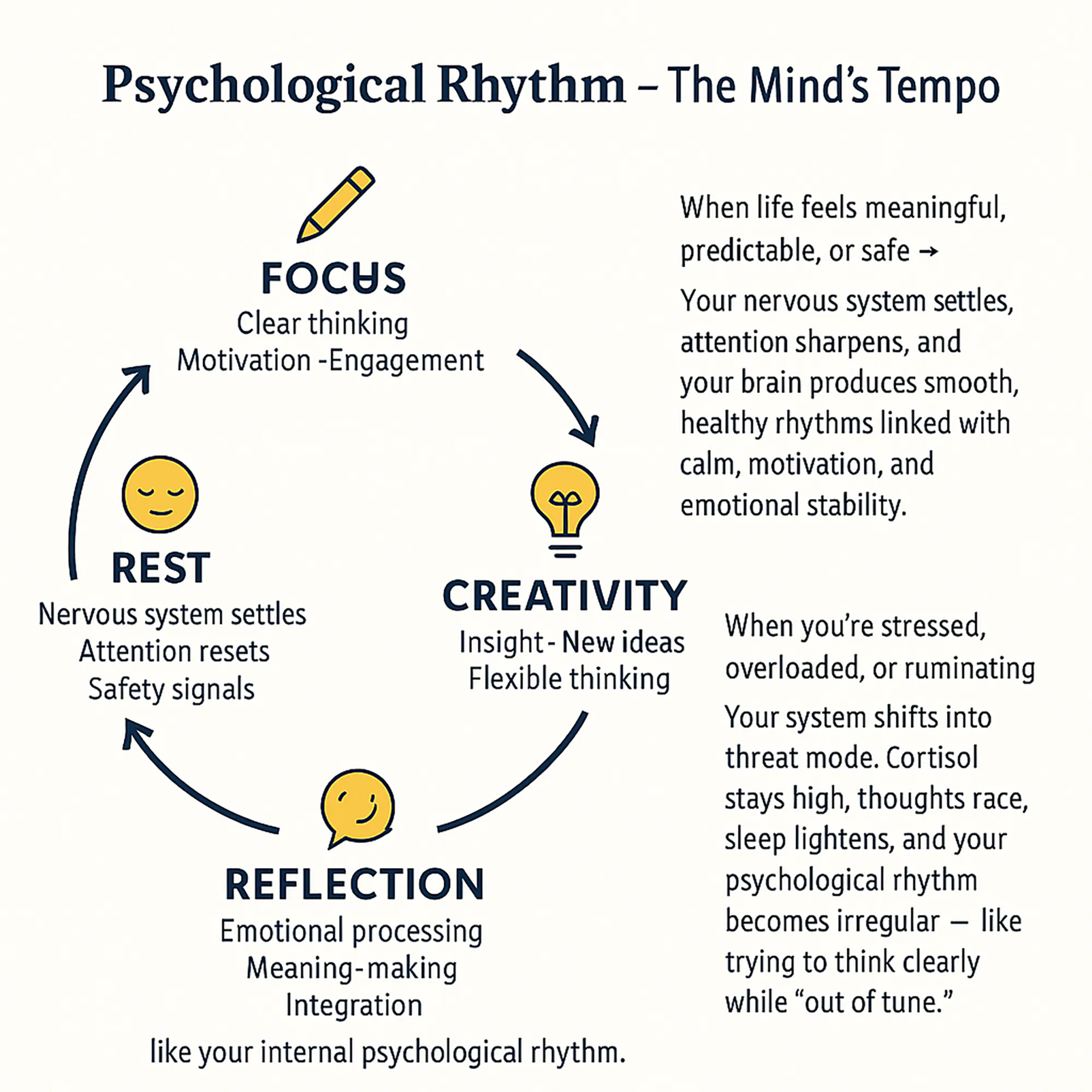
The influence of a steady system also extends to cognitive clarity. When environments are organized and processes are reliable, mental clutter diminishes. A mind free from constant surprises or abrupt changes can process information more efficiently, leading to better judgment and reduced emotional reactivity. Predictability allows for thoughtful reflection rather than immediate emotional impulses. The brain, recognizing patterns within the system, can anticipate challenges and plan responses, which strengthens the regulation of emotions.
Steady systems encourage proactive coping strategies. Knowing what to expect, individuals can prepare for potential difficulties in advance, reducing stress-induced emotional swings. Structured problem-solving becomes the default approach, promoting calm and rational thinking. The system itself acts as a buffer, absorbing some of the uncertainty and providing a reliable framework within which emotions are processed. This consistency teaches the individual to respond with deliberation rather than reflex, building emotional resilience over time.
Moreover, steady systems can nurture a sense of accomplishment and satisfaction. Regularly completing tasks within a reliable framework reinforces the perception of progress and growth. This perception is closely tied to emotional well-being because it satisfies fundamental psychological needs for competence, autonomy, and structure. Emotional stability benefits from repeated positive reinforcement embedded in the system, as predictable outcomes create a sense of mastery over one’s environment and experiences.
Consistency in a system also cultivates mindfulness. By engaging in steady practices, individuals develop awareness of patterns, reactions, and outcomes. This awareness allows for observation of emotional responses without being overwhelmed by them. The steady system acts as a guide for monitoring both internal states and external circumstances, supporting measured and thoughtful reactions. Emotional stability is enhanced because individuals are not constantly swept into chaotic or unpredictable cycles of thought and feeling.
Finally, a steady system can foster long-term resilience. Life inevitably presents challenges, and unpredictability is unavoidable. However, having a reliable foundation enables individuals to navigate these challenges with composure. The stability provided by routine, structure, and predictability builds a reserve of emotional strength, allowing people to recover more quickly from stressors. Emotional stability is not the absence of negative emotions but the ability to maintain equilibrium in the face of adversity. Steadiness acts as a stabilizing force, ensuring that even when difficulties arise, the individual remains anchored, adaptable, and emotionally balanced.
In essence, the power of a steady system lies in its capacity to transform unpredictability into manageable structure. It reduces cognitive load, enhances self-efficacy, supports social harmony, and provides a scaffold for mindful reflection. The mind and body become synchronized within the system, producing consistent emotional responses and resilience to stress. By embracing steadiness, individuals can cultivate a deeper sense of control, predictability, and security, all of which contribute to sustained emotional stability. Steadiness is not a constraint; it is a carefully designed support that allows for flexibility, growth, and sustained emotional well-being.
The interplay of consistency, structure, and predictability creates an environment where emotional stability is reinforced daily. People operating within steady systems experience less volatility, greater confidence, and a more deliberate approach to challenges. Over time, the benefits compound, as each interaction with the system strengthens emotional resilience. In this way, the steady system becomes more than a set of routines—it evolves into a foundation for emotional health, enabling individuals to approach life with balance, composure, and clarity.



Be First to Comment