In any gaming experience, the sense of fairness is one of the most significant factors that shapes player engagement and satisfaction. Players gravitate toward environments where they feel that their actions and decisions have predictable, just outcomes, and where the mechanics of the system operate consistently and transparently. Fairness is not just about winning or losing; it is about the perception that the rules are applied evenly, that chance and skill are balanced, and that opportunities are accessible to all participants without hidden biases or undue advantage. When players sense inequity, even subtly, their trust erodes, and the enjoyment of the experience diminishes. In contrast, environments that are clearly structured and balanced foster deeper engagement, longer retention, and a willingness to invest time and effort.
A critical component of perceived fairness is transparency in mechanics. When players understand the rules, probabilities, and potential outcomes, they can make informed decisions and feel responsible for their successes and setbacks. This transparency includes not only explicit rules but also feedback mechanisms that confirm players’ understanding of their progress and the system’s responses. Games and platforms that incorporate clear indicators, statistics, and rational explanations for outcomes enable players to develop strategies and appreciate the cause-and-effect relationships inherent in the experience. Lack of clarity, conversely, often leads to frustration and disengagement, as players may attribute losses to randomness or bias rather than their own decisions.
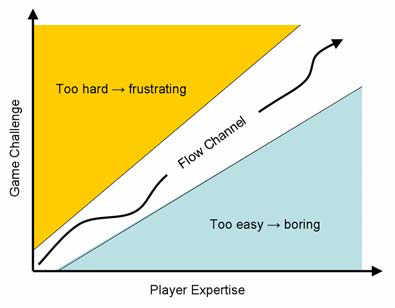
Consistency is another pillar of fairness. Players expect that similar actions under similar circumstances will yield similar results. Systems that maintain uniform standards across sessions and participants prevent perceptions of favoritism or arbitrary behavior. This does not eliminate unpredictability, which is often a crucial element of excitement, but it frames that unpredictability within a consistent logic. By maintaining consistent odds, performance metrics, and feedback loops, systems ensure that players can rely on their understanding of the environment, building trust and long-term engagement. Inconsistent experiences, such as fluctuating difficulty levels without explanation or erratic responses to player actions, undermine confidence and can lead to decreased participation.
Equitable opportunities also contribute to a fair environment. Players must feel that everyone has access to the same resources, tools, and chances to succeed. This includes not only the availability of in-game items or advantages but also the pacing and structure of challenges. Systems that inadvertently favor certain groups, skill levels, or play styles can alienate segments of the audience and reduce overall engagement. On the other hand, designing challenges that scale with player ability and providing multiple paths to success creates an inclusive environment that supports diverse approaches and rewards effort and creativity. Players who perceive an equitable environment are more likely to continue participating, experiment with different strategies, and share positive experiences with others.
Feedback plays a crucial role in reinforcing fairness. Players need timely, accurate, and meaningful feedback about their actions and the system’s responses. This includes confirmation of successful decisions, explanations of failures, and clear communication of progress toward goals. Feedback not only helps players refine their strategies but also reassures them that the system is functioning impartially. Delayed, vague, or inconsistent feedback can create a sense of arbitrariness, reducing engagement and trust. Effective feedback mechanisms validate effort, reinforce learning, and maintain motivation, all of which are critical to sustaining player involvement over time.
Social dynamics further influence perceptions of fairness. In multiplayer or competitive environments, fairness extends beyond the system itself to interactions among players. Balanced matchmaking, equitable reward distribution, and mechanisms to prevent exploitation or harassment contribute to a sense of community fairness. Players are more likely to remain engaged in environments where they believe they are treated equally and where others cannot gain unfair advantages through manipulation or unethical behavior. Encouraging cooperation, sportsmanship, and transparency in social interactions strengthens the perception that the environment is just and welcoming for all participants.
The psychological impact of fairness cannot be overstated. Environments that feel fair reduce stress and frustration, enhance enjoyment, and foster a sense of competence and autonomy. Players are more likely to invest time and energy, explore different features, and engage deeply when they trust that their efforts are respected and rewarded appropriately. Conversely, perceived unfairness can trigger negative emotions, disengagement, and even abandonment of the platform. The balance between challenge and reward, skill and chance, control and unpredictability must be carefully calibrated to maintain the delicate equilibrium that players interpret as fair.
Designers and developers can implement multiple strategies to cultivate fairness. Regular monitoring of outcomes, analysis of player feedback, and iterative adjustments help identify and correct unbalanced mechanics. Clear communication about rules, updates, and system logic reinforces transparency. Providing optional guidance, tutorials, and explanations ensures that all players can understand and navigate the environment effectively. Additionally, incorporating flexible systems that adapt to varying skill levels and play styles creates a personalized yet equitable experience, enhancing both satisfaction and retention.
Ultimately, fairness is a foundational principle that underpins engagement and loyalty. Players do not simply respond to the presence or absence of fairness—they internalize it as part of their overall perception of the environment. Environments that consistently deliver equitable treatment, predictable rules, clear feedback, and inclusive opportunities foster trust, encourage experimentation, and sustain long-term engagement. The perception of fairness is not static; it must be actively maintained through careful design, attentive monitoring, and responsive adjustments. By prioritizing fairness, systems ensure that players feel respected, capable, and motivated, creating a virtuous cycle where engagement thrives and the experience becomes both enjoyable and meaningful.
In conclusion, fairness is a multifaceted and essential element in shaping player behavior and satisfaction. Transparency, consistency, equitable opportunities, feedback, social dynamics, and psychological reinforcement all converge to create environments that players perceive as just and reliable. When these elements are thoughtfully integrated, players feel empowered to engage, experiment, and invest in the experience. Conversely, lapses in fairness can erode trust, diminish enjoyment, and lead to disengagement. By recognizing the centrality of fairness and embedding it in every aspect of design and interaction, systems can cultivate a sustainable, engaging environment that respects and rewards player participation, fostering loyalty and a positive, enduring relationship between the player and the platform.
Players seek more than entertainment; they seek experiences where their choices matter, where their effort is recognized, and where the environment operates in predictable and impartial ways. A commitment to fairness is not merely ethical—it is strategic, ensuring that engagement is sustained, satisfaction is maximized, and the community thrives. The design of fair systems requires attention to detail, ongoing refinement, and responsiveness to player behavior, but the payoff is profound: a player base that trusts, enjoys, and actively participates, forming the backbone of a vibrant and resilient gaming ecosystem.









Be First to Comment