In a world constantly driven by excitement and urgency, the subtle power of restraint often goes unnoticed. Without the pull of hype, behaviors and habits take root in a steadier, more sustainable way. When individuals are not distracted by flashy promises or exaggerated expectations, they have the space to build routines that are measured, intentional, and resilient. Habits formed in the quiet and consistent rhythm of everyday life tend to endure longer because they are less dependent on external validation or temporary motivation. This is the paradox of human behavior: the less spectacle surrounding an action, the more likely it is to become a deeply ingrained pattern.
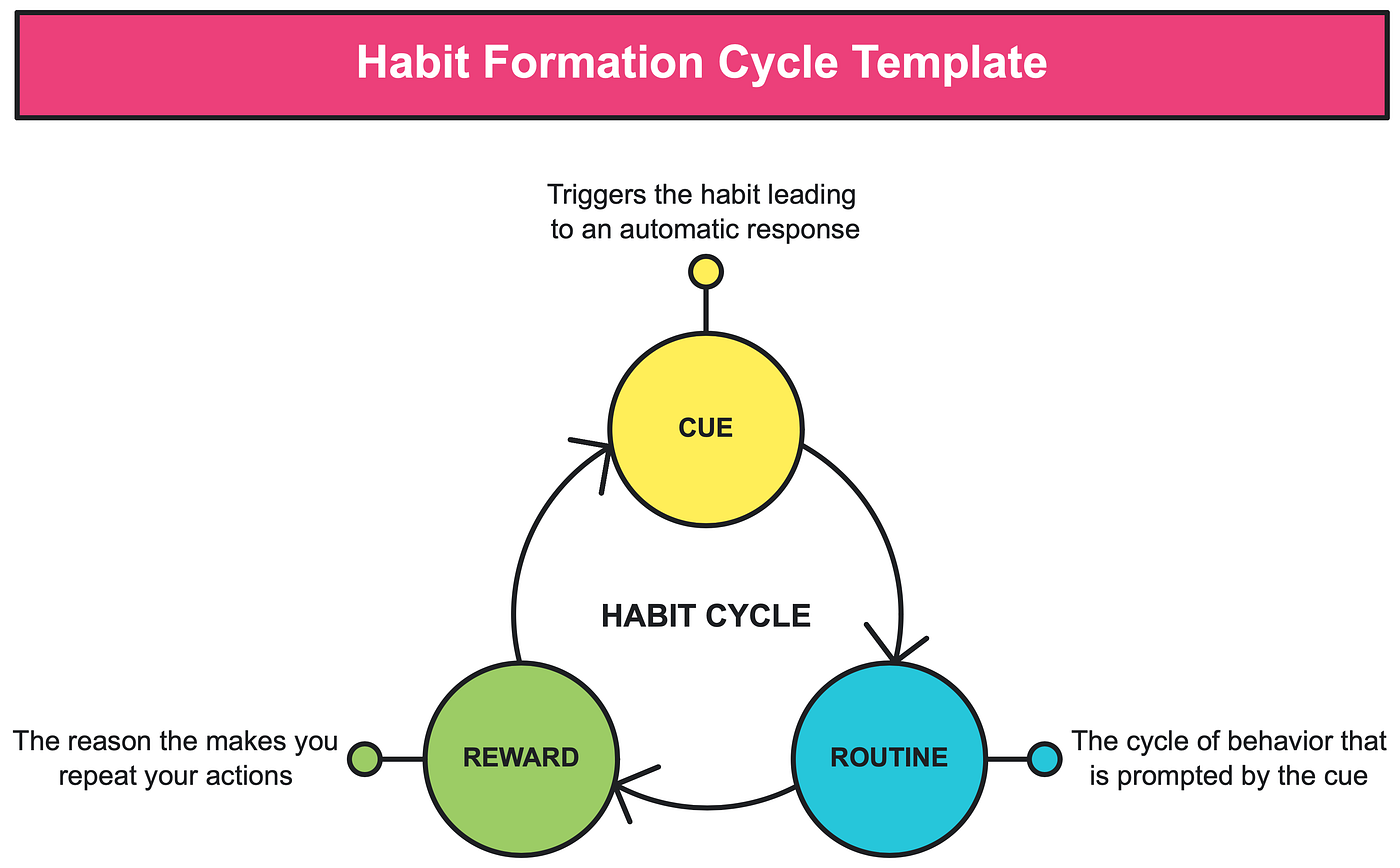
The process of habit formation is fundamentally about repetition and reinforcement. When a task or behavior is framed without sensationalism, it invites attention to detail and encourages reflection on the intrinsic benefits of the activity itself. People become more attuned to subtle cues and feedback from their own progress, learning to appreciate small victories along the way. These small wins, though often overlooked in a culture obsessed with immediate gratification, accumulate into substantial long-term growth. Over time, the compounding effect of these carefully nurtured behaviors far surpasses the fleeting satisfaction derived from chasing trends or responding to hype-driven initiatives.
Hype has a way of distorting perception. It creates inflated expectations that can lead to disappointment when results fail to match the intensity of the initial excitement. In contrast, environments free from hype allow individuals to develop patience and resilience. They learn that progress is not always linear and that effort invested consistently, even if unremarkable at first, eventually yields meaningful outcomes. By reducing the noise, people can focus on the core actions that truly matter, filtering out distractions and resisting the urge to chase every new trend. This fosters a sense of mastery and autonomy, which further reinforces long-term engagement.
Sustainability in habits also emerges from predictability and repetition. Without the interference of hype, routines become a reliable part of daily life rather than a sporadic burst of activity prompted by external pressure. The absence of exaggerated incentives encourages intrinsic motivation, allowing individuals to align behaviors with personal values rather than societal expectations. For example, someone committed to improving health may find lasting success not through temporary fitness fads but through a quiet, consistent schedule of activity and mindful nutrition. The focus shifts from performing for external validation to nurturing personal growth, a distinction that fundamentally strengthens long-term adherence.
Another advantage of avoiding hype is the reduction of stress and cognitive load. When every action is accompanied by exaggerated promises or pressure to achieve immediate results, the mental burden can be overwhelming. People may feel anxious or guilty when they cannot meet unrealistic standards, leading to burnout and abandonment of the behavior altogether. In environments that prioritize steady progress over spectacle, the mind is free to concentrate on process rather than performance. This creates a calmer, more sustainable approach to habit formation, where consistency is valued over dramatic outcomes, and learning becomes an integral part of the journey.
The cultivation of self-discipline is another natural outcome of removing hype from the equation. In the absence of external excitement, individuals are compelled to rely on internal cues and self-regulation. They develop the ability to persist through mundane or challenging moments, recognizing that true growth often occurs in the steady accumulation of small efforts rather than in dramatic bursts. This internalization of motivation fosters resilience, as habits become anchored in personal commitment rather than the volatile waves of public enthusiasm. The self-reinforcing cycle of effort and reward strengthens over time, producing durable habits that are less susceptible to disruption.
Quiet consistency also enhances reflection and learning. When actions are not overshadowed by hype, individuals have the opportunity to observe patterns, analyze outcomes, and make informed adjustments. Feedback becomes a tool for refinement rather than a source of pressure or comparison. This iterative process cultivates a deeper understanding of what works and what does not, enabling smarter decision-making and more effective habit reinforcement. By removing external noise, people can attune themselves to their own progress, celebrating incremental improvements and maintaining focus on meaningful, achievable objectives.
Furthermore, the absence of hype creates an environment that supports intrinsic satisfaction. People engage in behaviors because they find value in the activity itself, rather than because they are chasing attention or recognition. This intrinsic motivation is far more durable than extrinsic incentives, which often fade once the novelty wears off. When the act itself becomes rewarding, individuals are more likely to continue even in the absence of immediate feedback or external acknowledgment. This internal reward system strengthens the likelihood of maintaining habits for the long term, as the behavior is no longer contingent on external stimuli but anchored in personal fulfillment.
Socially, avoiding hype can foster healthier connections and shared experiences. When behaviors are pursued quietly and consistently, interactions are less competitive and more collaborative. Individuals are not pressured to outshine others or conform to transient trends; instead, they can focus on mutual growth and support. Communities formed around steady, meaningful engagement often demonstrate greater cohesion and resilience, as the emphasis is on sustaining effort rather than seeking sensational recognition. This collective approach reinforces individual habits while providing a network of encouragement and accountability.
Ultimately, the power of habits formed without hype lies in their sustainability, authenticity, and depth. The quiet cultivation of behavior allows for careful reflection, intrinsic motivation, and consistent reinforcement, which together create patterns that withstand the fluctuations of circumstance and mood. By prioritizing steady engagement over dramatic displays, individuals build a foundation for long-term growth, resilience, and well-being. In a world enamored with spectacle, it is the understated, consistent efforts that often produce the most enduring and meaningful results, illustrating that the absence of hype is not a void but a fertile ground for lasting habit formation.
The subtle strength of this approach lies in its paradox: while it may lack immediate excitement, it fosters a depth of engagement that hype alone cannot achieve. Individuals learn to value the process, cultivate patience, and focus on intrinsic rewards, ultimately establishing behaviors that are resilient and adaptable. This long-term orientation encourages a disciplined, mindful, and balanced approach to growth, showing that when the noise fades, the true work of habit formation flourishes and the rewards endure far beyond the fleeting thrill of the moment.
Steadfast habits, cultivated in an environment devoid of hype, create a rhythm of life that is predictable, manageable, and deeply fulfilling. The absence of external exaggeration allows attention to remain on meaningful action, reflection, and the gradual accumulation of progress. Over time, these quiet, deliberate patterns become the bedrock of personal development, demonstrating that sustainable growth is rarely born from spectacle but from the measured, consistent practice that quietly shapes the trajectory of life.


Be First to Comment