In the landscape of modern gaming, players increasingly prioritize comfort over intensity, seeking experiences that engage without overwhelming. This preference reflects a broader shift in how interactive entertainment is consumed, with users drawn to environments that foster sustained enjoyment rather than short bursts of adrenaline. Comfort in gaming is not merely about physical ease; it encompasses mental clarity, emotional balance, and a sense of predictability that allows players to immerse themselves fully without unnecessary stress. Designers who recognize this trend understand that subtlety and consistency often have a stronger long-term appeal than flashy effects or aggressive pacing.
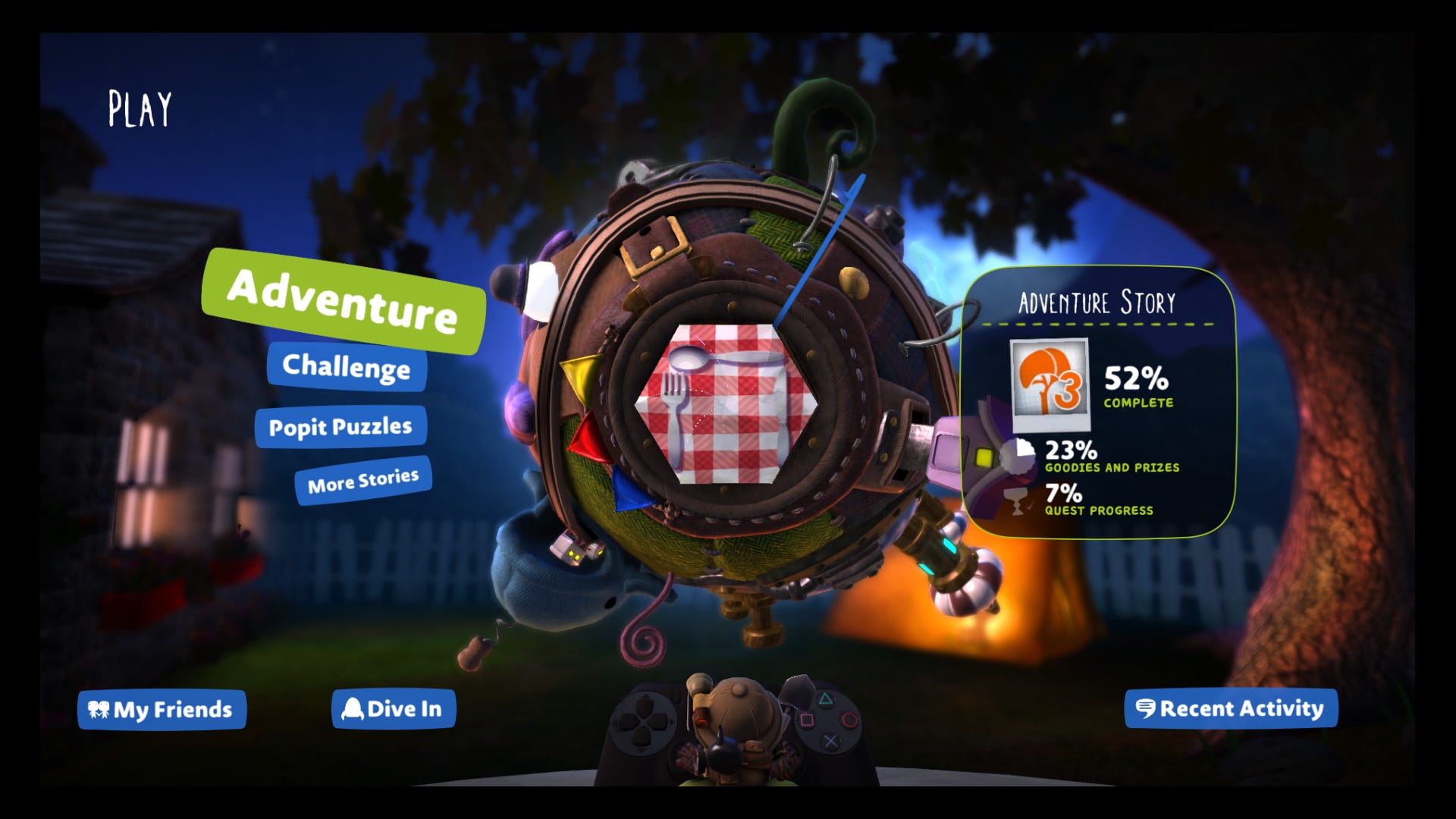
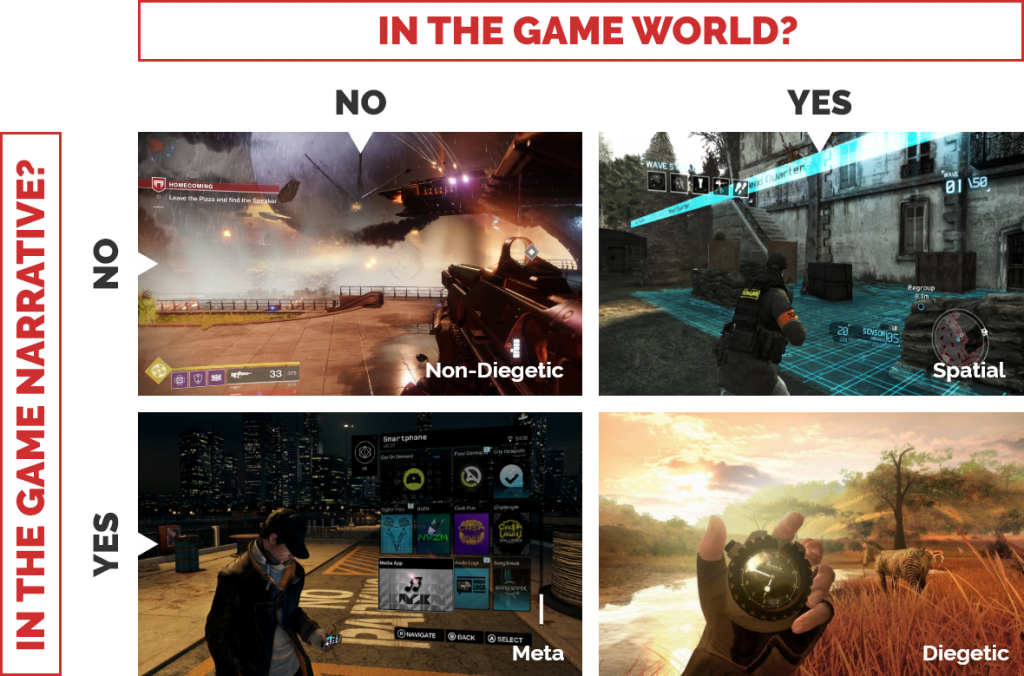
The foundation of comfort lies in interface design. Clear, intuitive layouts reduce the cognitive load required to navigate game systems, allowing players to focus on the experience rather than the mechanics. Menus, control schemes, and visual hierarchies that follow natural patterns encourage exploration without frustration. When players can predict how interactions will unfold, they develop trust in the system, which fosters a relaxed state of engagement. This trust is particularly important in games with complex rules or multiple layers of strategy, where confusion or erratic feedback can quickly erode enjoyment. By designing interfaces that are coherent and consistent, developers create a mental environment where players feel secure and confident in their actions.
Audio cues also play a critical role in promoting comfort. Excessive or jarring sounds can trigger stress responses, even in otherwise calm gameplay scenarios. Thoughtfully crafted soundscapes, by contrast, guide attention without demanding it. Subtle ambient effects, gentle notifications, and harmonious musical arrangements support immersion while keeping the player at ease. This approach ensures that auditory elements enhance rather than dominate the experience, maintaining a sense of control and predictability. Players notice when a game respects their sensory thresholds, and this respect directly correlates with prolonged engagement and satisfaction.
Pacing is another key element in designing comfortable experiences. Games that demand rapid reactions or constant vigilance can generate excitement, but they also risk fatigue and anxiety. In contrast, measured pacing allows players to process information, make considered decisions, and enjoy the narrative or gameplay mechanics without feeling rushed. Gradual escalation of challenges, interspersed with periods of reflection or low-stress activity, balances engagement with relaxation. This rhythm encourages players to remain in the game longer, forming positive habits around play rather than associating it with tension or frustration. Comfort, therefore, is not a passive trait but an active design choice that shapes the player’s journey.
Visual design contributes significantly to comfort. Color palettes that are easy on the eyes, consistent iconography, and layouts that emphasize readability over spectacle help maintain focus without strain. Excessive visual clutter, rapid motion, or high-contrast flashing effects may attract attention temporarily, but they can also exhaust players over time. Designers who prioritize comfort consider how visual elements interact with cognitive processes, ensuring that players can absorb information without distraction. Smooth transitions, consistent framing, and visual feedback that communicates outcomes clearly all reinforce a sense of stability. In essence, a comfortable visual environment supports the mental clarity necessary for enjoyable gameplay.
Narrative and gameplay mechanics are equally important in shaping comfort. Predictable systems with transparent rules empower players to strategize effectively, fostering a sense of competence and mastery. Unpredictable outcomes, while sometimes thrilling, can induce anxiety if overused. By establishing clear cause-and-effect relationships, games provide players with a framework where risk feels manageable and choices are meaningful. Storylines that unfold at a deliberate pace, with sufficient context for decisions, further enhance this sense of ease. Comfort emerges from understanding: when players comprehend how the game world responds to their actions, they experience control, which is a fundamental component of enjoyable engagement.
Social interaction within games also benefits from a comfort-oriented approach. Features that facilitate cooperative play, respectful communication, and predictable matchmaking create environments where players can interact without fear of harassment or unpredictable hostility. Social comfort allows players to invest in communities, share experiences, and build long-term relationships within the game. This is particularly valuable in online environments, where negative interactions can quickly disrupt immersion and reduce satisfaction. By designing social systems that are supportive and structured, developers foster both emotional safety and player retention.
Comfort does not imply a lack of challenge or excitement; rather, it emphasizes sustainable engagement. Players may still seek novel experiences, competitive elements, or emotional highs, but these are most enjoyable when framed within a context of stability. Predictable systems, consistent feedback, and gradual learning curves create a safety net that encourages exploration and experimentation without overwhelming the player. This approach aligns with human cognitive tendencies: people perform better and enjoy activities more when they feel competent and supported, rather than constantly under pressure.
Moreover, comfort extends to the management of player resources and progression. Transparent progression systems, fair reward structures, and accessible controls allow players to set personal goals without frustration. When players feel that their time and effort are respected, they are more likely to remain engaged and return to the experience repeatedly. Conversely, opaque mechanics or sudden punitive measures can generate stress and disengagement. Thoughtful resource management, therefore, is an essential component of a comfortable gameplay experience, reinforcing both trust and satisfaction.
Ultimately, designing for comfort is about empathy. Understanding the player’s perspective, anticipating stress points, and implementing systems that support mental and emotional well-being create a compelling experience that resonates on a deeper level. Comfort-oriented design encourages reflection, mastery, and sustained enjoyment, building loyalty and long-term engagement. By valuing predictability, clarity, and ease, developers provide experiences that are not only pleasurable in the moment but also encourage repeated, meaningful interaction. Players naturally gravitate toward environments that honor their need for control and emotional stability, demonstrating that comfort, over raw intensity, is a defining factor in the success of modern gaming.




Be First to Comment